
Mati (2007)
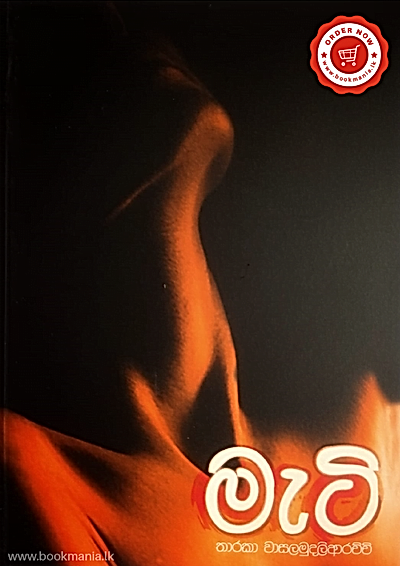
“Mati” which translates to “Clay” is a book that revolves around a remote village in the Southern Province of Sri Lanka, life once revolved around tradition, simple livelihoods, and a strong sense of community. The villagers spoke in their own rural dialect and followed customs passed down through generations. Their world was shaped by deeply rooted beliefs about social order and hierarchy.
In 1977, Sri Lanka introduced the open economy, bringing rapid economic and cultural change. Even this distant village could not escape its influence. People were forced to adapt to new lifestyles, new values, and a system increasingly driven by money rather than tradition.
Yet while the economy changed, social attitudes did not. Caste discrimination remained firmly embedded in daily life. Those considered “upper class” continued to treat “lower class” individuals as inferior. The inequality was visible even in small gestures when a lower-caste person visited a higher-caste home, they were not offered a chair, but a bench. It was a silent reminder of their position in society.
This story captures a village caught between modernization and prejudice, where economic progress fails to erase centuries-old divisions. The book was published in 2007 by Sarasavi Publishers.