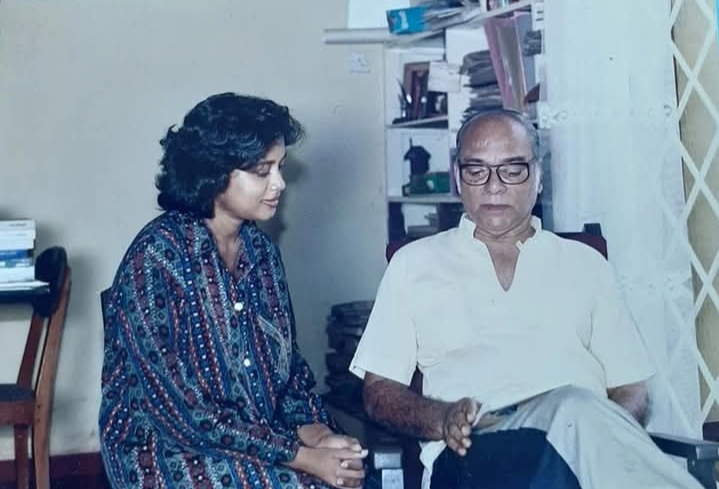
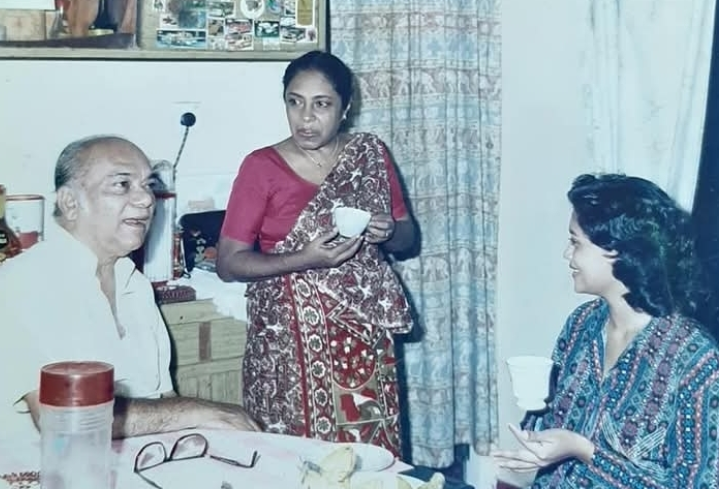
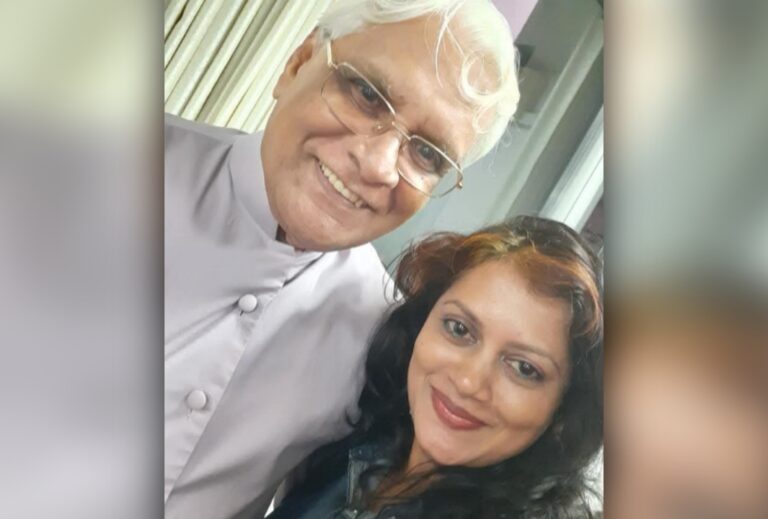
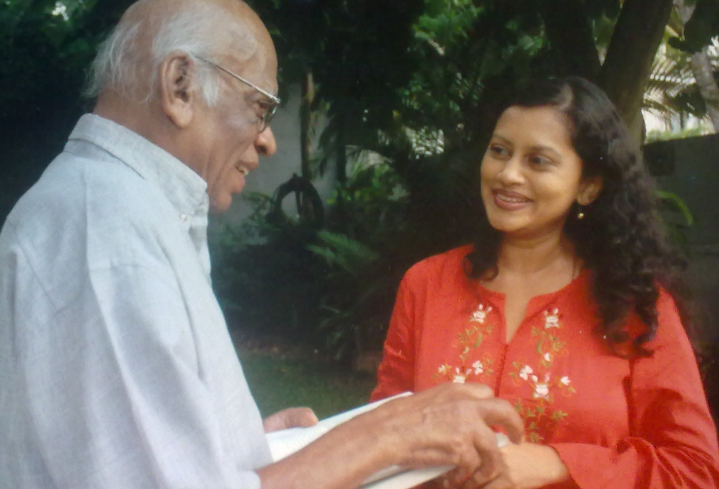
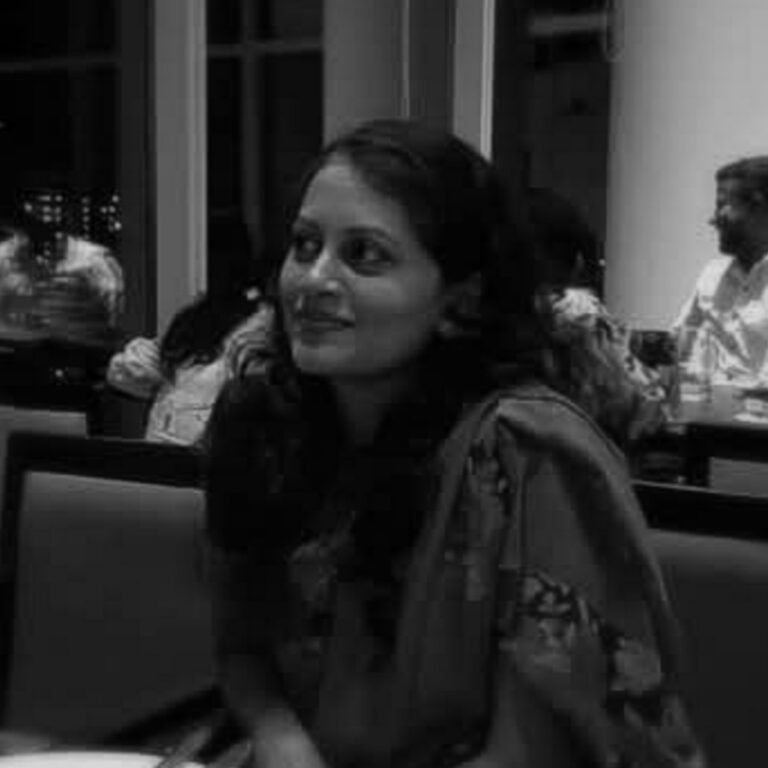
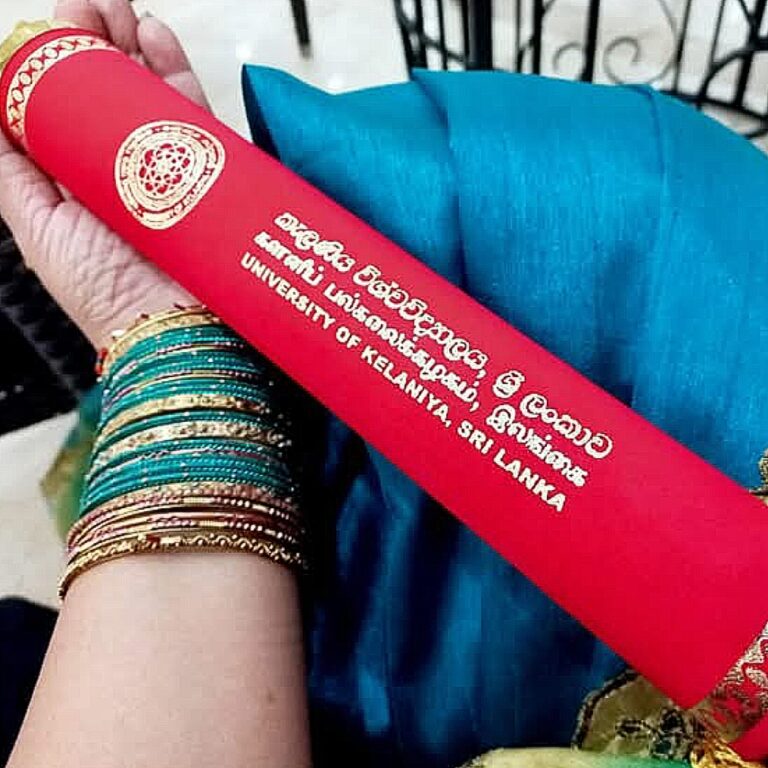
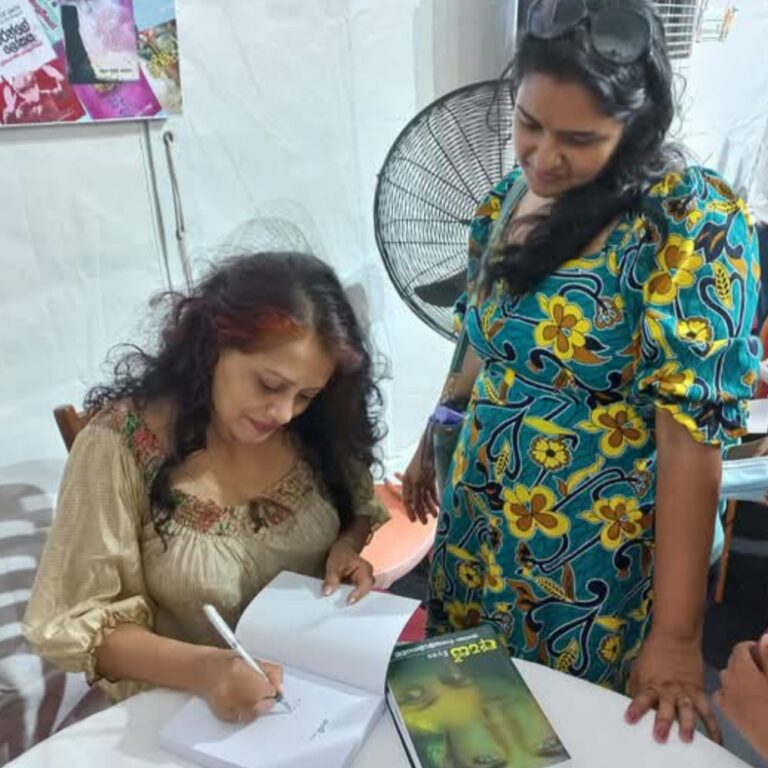
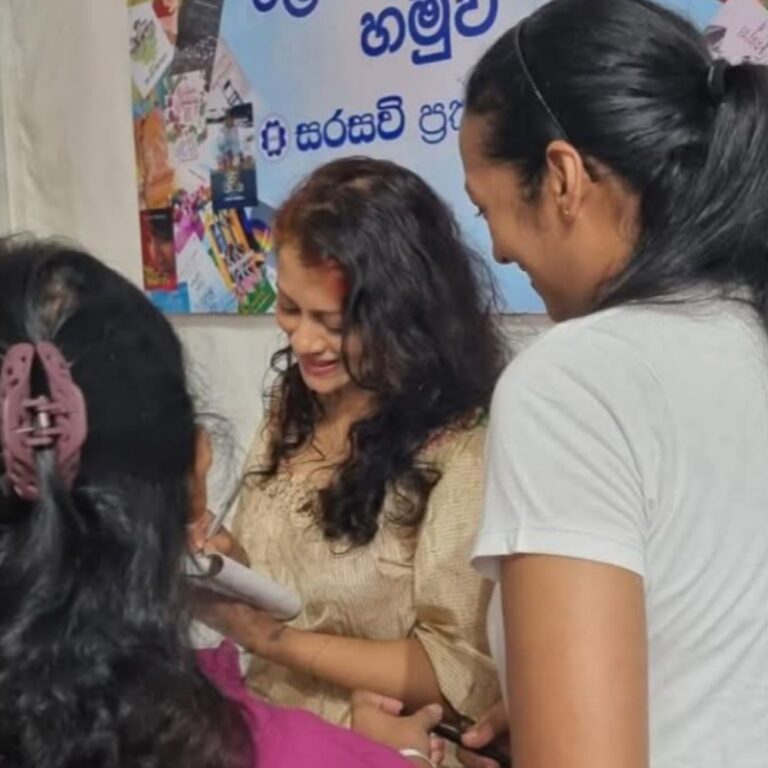
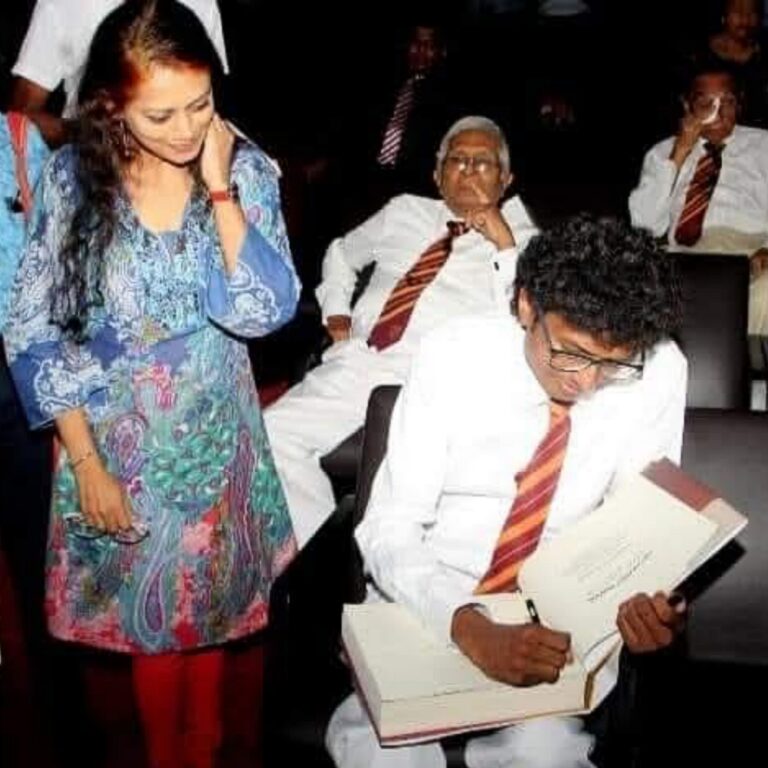
Tharaka Wasalamudaliarachchi is a prominent Sri Lankan Author and Journalist who has garnered critical and public acclaim from the year 1989. Wasalamudaliarachchi started of her career as an assistant editor for the Sri Lankan Magazine “TV Shri Lanka” and later hosted her own program “Helidarawwa” which telecasted on Swarnavahini TV from 2000 to 2002. The program garnered mainstream attention because of its raw and gritty depictions of crime, corruption, and societal issues. Tharaka Wasalamudaliarachchi won the 2001 Sumathi Award ‘Best Television Current Affairs’ for Helidarawwa. After a brief hiatus from the media in 2002 after the finale of Helidarawwa. Many people thought Tharaka disappeared from the media completely, but they didn’t know that ‘Stars always Shine’. In 2008, Tharaka made a comeback with her second program ‘Charitha’. Charitha was another staple in Tharaka’s Career, it brought people to the world of literature, which was an Art form people were disconnected from at the time. It not only brought people into literature but also showed people how beautiful creating art from words is. Later in 2007, Tharaka returned to the media with the role of Nikini Malwenna in the TV Show ‘Pipi Piyum’. The role of Nikini was a complicated role, but Tharaka’s performance rocked the media. Tharaka signified her name as an actress. Pipi Piyum was well received and rosed her co-star Saranga Disasekara to fame. Later that same year Tharaka showed her acting talent with the role of Ishadi in ‘Udu Viyan’ alongside Bimal Jayakody. In 2009 she released a novel that would change her career entirely. She released “Kalu” a phycological thriller novel following the character ‘Chethi’, a mentally ill woman with schizophrenia. The book was raw, horrifying, confusing and emotional. The novel contained so many emotions, that it left readers in a jumble of emotions, which was the significance of this novel. The novel was nominated for a Swarna Pusthaka award but lost. However, Tharaka once again went into the shadows. For 4 years, Tharaka Wasalamudaliarachchi was gone from the Media and Literat ure. But again, the sun moves and the shadows move. In 2013, Tharaka returned with the Climate Fiction Novel ‘Aes’. From this point on Tharaka stepped away from television and focused on her Literary Career. Later she wrote Paata, Indrachapa, Guru, Kaasi and Neela Nimna. Tharaka did not start her career with ‘Kalu’, she started off with Andaramandiya. Andaramandiya was Tharaka’s first book. Published by Gunasena Publishers in 2001, Andaramandiya is the debut novel of Tharaka Wasalamudaliarachchi — a compelling contribution to Sri Lankan youth literature that combines rural realism with environmental and institutional critique.
Set in a remote village connected to a small lake named Andaramandiya, the novel explores how the fragile balance between nature and human systems can collapse with devastating consequences. The lake, though modest in size, sustains the agricultural life and daily survival of the village — making it both a source of livelihood and a symbol of collective dependence. The story centers on a village whose survival depends on the small lake that nurtures their land and families. However, the disaster that unfolds is not simply a natural event. It is deeply connected to corruption, fraud, and negligence within the Irrigation Department, whose interference disrupts the lake’s balance and ultimately leads to widespread destruction. Rather than presenting the flood as an unavoidable act of nature, the novel frames it as the consequence of human misconduct and systemic failure. The suffering of the villagers becomes a powerful reflection of how institutional corruption can devastate vulnerable rural lives. Later in 2006, she wrote “Dehi” which translates to “Lime” is a book based on the harsh life of farmers who earn their living by cultivating lime in the remote areas of Monaragala. The book was published by Sarasavi Publishers in 2006. In 2007, “Mati” which translates to “Clay” is a book that revolves around a remote village in the Southern Province of Sri Lanka, life once revolved around tradition, simple livelihoods, and a strong sense of community. The villagers spoke in their own rural dialect and followed customs passed down through generations. Their world was shaped by deeply rooted beliefs about social order and hierarchy. In 1977, Sri Lanka introduced the open economy, bringing rapid economic and cultural change. Even this distant village could not escape its influence. People were forced to adapt to new lifestyles, new values, and a system increasingly driven by money rather than tradition. Yet while the economy changed, social attitudes did not. Caste discrimination remained firmly embedded in daily life. Those considered “upper class” continued to treat “lower class” individuals as inferior. The inequality was visible even in small gestures when a lower-caste person visited a higher-caste home, they were not offered a chair, but a bench. It was a silent reminder of their position in society. This story captures a village caught between modernization and prejudice, where economic progress fails to erase centuries-old divisions. The book was published in 2007 by Sarasavi Publishers. In 2021, she released her debut song ‘Thani Malak’ with Navarathna Gamage and Priyantha Kodippili. In 2022, Tharaka released ‘Me Adare Man’ with Gayan Gunawardana and Bhashi Devanga. Tharaka has contributed for songs before, but for Lyrics. Those songs include Abhimani, Hitha Mage Alawanthai, Udu Viyan (Theme Song), Dankuda Banda, Paan Batta, V Awards, Sihina Kirula, Raththaran Heenaye and Gimhana Sihine. Tharaka Wasalamudaliarachchi adopted the name Tharu Queen in 2025 after releasing a few more debut singles.